
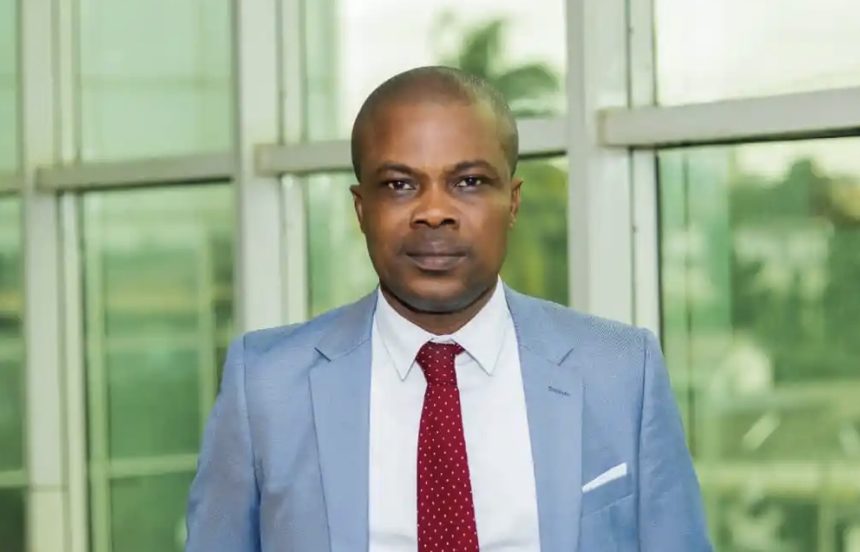
Fraud and Security Analyst Richard Kumadoe has blamed recent challenges in disaster response coordination on increasing political interference, warning that it is hindering the work of security and emergency professionals.
His comments follow a post-flood assessment by the Anti-Flood Task Force established by President John Dramani Mahama after the heavy rains of Monday, June 29, 2026, which left lives lost, properties destroyed and many residents displaced across parts of the country.
The task force was mandated to inspect affected areas, identify drainage obstructions and assess the extent of flood damage.
Speaking on The Public Sphere on Radio Univers, Mr. Kumadoe expressed confidence in the Ghana Armed Forces, led by Brigadier General Forster Okae-Yeboah, to spearhead the nationwide flood mitigation exercise, citing the military’s professionalism and capacity to coordinate relief efforts.
“One of the issues we find on the ground as we go around the seven affected regions is that coordination has become a problem. Politicians want to take the leading role, while the professionals are asking for space but are not getting it. Assembly members also want to be seen, and they are crowding the space,” he said.
Mr. Kumadoe argued that disaster response should be led by professionals rather than political actors to ensure aid reaches those who need it most.
“Once the military officers took over under Brigadier General Forster Okae-Yeboah, he spoke about the proposed GH¢300 million government allocation and said the military would oversee its distribution. If you leave it to politicians—between the MP, the assembly member and the DCE—there is likely to be confusion, and those who are genuinely affected may not receive the support they need. I believe Brigadier General Forster understands these challenges and will do what is right,” he added.
Beyond emergency response, Mr. Kumadoe called for the establishment of well-equipped disaster management logistics hubs across the country to improve preparedness and rescue operations.
“As a nation, we need to develop better situational awareness. We need disaster management logistics hubs within our cities, and we also need dedicated rescue hubs. If people are rescued, where do we take them? Is it the stadium? Do those places have the necessary facilities? These are practical issues that do not require enormous resources to address,” he noted.
He further urged government to undertake a comprehensive reassessment of Ghana’s disaster management framework to ensure resources, personnel and policies are aligned to respond effectively to future emergencies.
“We need to realign our systems through a proper assessment of our cities and their disaster management, safety and security needs. Only then can we develop policies that ensure we deploy the right resources, the right people and establish the right structures. Otherwise, we will continue to face these same challenges.”
–
Story by Oliver Arthur Acorlor
Edited by Erica Odeenyin Odoom