
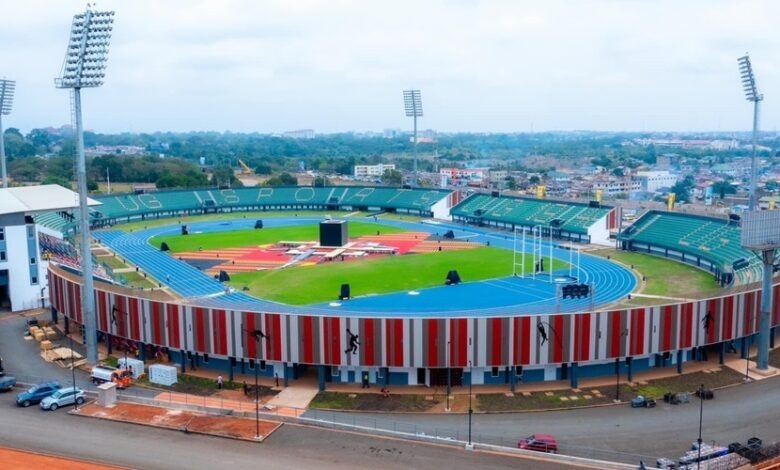
The 24th Senior African Athletics Championships in Accra marked the first time Ghana hosted the continental competition, an opportunity many believed would showcase the country’s growing sporting infrastructure and administrative capability.
Instead, the event at the University of Ghana Stadium has generated widespread criticism from athletes, coaches, officials, and observers across the continent.
What was meant to be a landmark moment for Ghanaian sports has instead been overshadowed by complaints over poor organisation, athlete welfare concerns, delayed race results, and logistical setbacks.
From the arrival of delegations, concerns quickly emerged over accommodation arrangements, feeding conditions, transportation, and competition management. What should have been a celebration of African athletics soon became dominated by frustration and disappointment.
One of the biggest controversies surrounding the championships has been the feeding situation at the Games Village.
Despite assurances of proper nutrition for athletes, several participants and officials complained about inadequate food portions and poor meal quality. Images circulating on social media showing what athletes described as “rationed” meals intensified criticism of the organisers.
Some coaches reportedly had to purchase food independently for their athletes to ensure they were adequately prepared for competition.
For many observers, the issue goes beyond poor catering. Athletes competing at the highest level require proper nutrition and recovery, and many believe the conditions fell below the standards expected of a continental championship.
Another major concern has been the delay in releasing official race results.
In several sprint events, athletes and spectators were left waiting after races due to delays in confirming photo-finish results and malfunctioning display systems.
Moments that should have produced immediate celebration instead ended in uncertainty, with competitors staring at blank screens while officials worked behind the scenes.
The delays became so frequent that some athletes and coaches resorted to reviewing phone recordings of races while waiting for official confirmation.
Accommodation conditions have also come under criticism.
Some athletes housed at the University of Ghana’s Diaspora Halls reportedly complained about uncomfortable living conditions, including non-functional air conditioning, unstable internet connectivity, and poor sleeping arrangements.
For elite athletes competing in intense weather conditions, recovery remains essential. However, several participants described the environment as exhausting rather than supportive.
Concerns have also been raised about the handling of criticism during the championships.
Some journalists covering the event alleged that officials became defensive whenever organisational concerns were highlighted publicly, as organisers attempted to protect the image of the competition amid growing backlash online.
Although the event has delivered moments of athletic excellence on the track, the organisational difficulties have largely dominated conversations surrounding the championships.
For many Ghanaians, the competition was expected to mark a proud moment in the country’s sporting history. Instead, it has exposed deeper concerns about planning, coordination, and athlete welfare in the management of major sporting events.
Still, observers believe the experience provides important lessons for Ghana moving forward.
The country has demonstrated that it possesses the infrastructure and passion needed to host major competitions.
However, many argue that future success will depend not only on impressive facilities, but also on professionalism, preparation, athlete welfare, and efficient event management.
–
Story by Xavier Mensah | univers.ug.edu.gh
Edited by Erica Odeenyin Odoom