
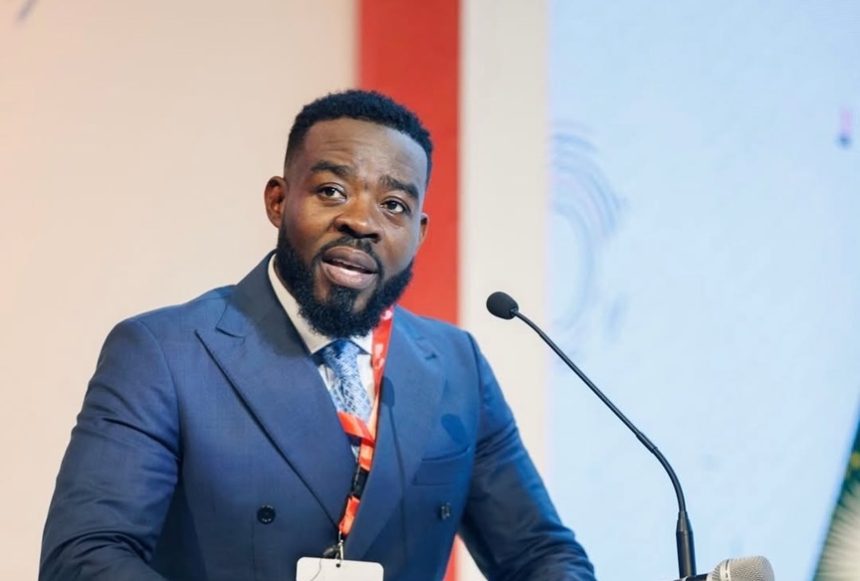
Ghanaian businessman Richard Nii Armah Quaye has shared details of his early life, describing a childhood shaped by separation from his mother, rural living conditions, and formative experiences under his father’s guidance.
Quaye, in an interview on The Delay Show with media personality Deloris Frimpong Manso, reflected on growing up away from his mother for a significant part of his childhood.
Much of that period was spent in Pokuase, which he said at the time had no electricity or running water.
“From age six to 14, I wasn’t living with my mum. I was living with my dad,” he said. “There was no electricity, no water. We went to the riverside to fetch water, bathe, and wash our clothes.”
According to him, a family decision led to him staying with his father while his sister lived with another woman in the city, a move intended to shape them along traditional gender roles. His father, an educationist, owned a local school where Quaye was enrolled, while also managing a household that included a stepmother.
Despite the circumstances, Quaye described his childhood as largely positive.
“I was a happy child,” he said. “I think there are very few things that make children happy. Once you have the liberty to play and you have toys, you are happy.”
He contrasted his rural upbringing with that of his mother and sister, who lived in a single room in the city with access to electricity, a television, and other amenities he viewed at the time as a form of luxury.
“My sister was a city girl while I was a village boy,” he added.
Quaye said he later moved to Accra after completing the Basic Education Certificate Examination (BECE), marking a turning point in his life. He went on to attend Winneba Secondary School and noted that he never returned to live in the village after that transition.
Today, Quaye is known for his involvement in business ventures and entrepreneurial activities, with his journey often framed as one that traces a path from those early circumstances to his current standing in Ghana’s business landscape.
Watch the full interview below.