
The 2026 African Senior Athletics Championships in Accra promised to be a landmark moment for Ghanaian sport.
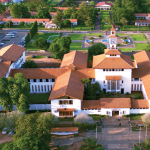
For the first time in history, Ghana hosted the continent’s biggest athletics event, welcoming Africa’s elite athletes to the University of Ghana Sports Stadium.
There was excitement, expectation and pride. Many hoped the championships would not only showcase Africa’s athletic excellence but also cement Ghana’s reputation as a capable host for major international sporting events.
In the end, the championships delivered unforgettable performances, emotional moments and national pride — but also exposed deep organisational flaws that threatened to overshadow the spectacle.
Opening Ceremony: Pride, Performance but Empty Seats
The opening ceremony reflected both the promise and contradictions of the entire week.
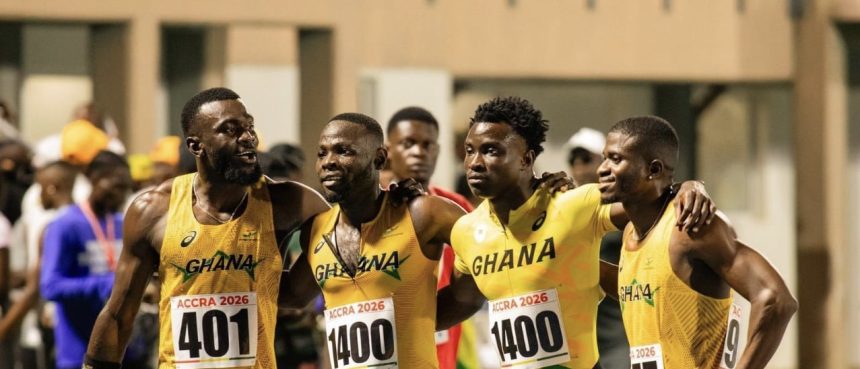
Athletes marched proudly behind their national flags, with Ghanaian sprinter Joseph Paul Amoah leading Team Ghana as flagbearer.
The home athletes instantly connected with the local crowd by breaking into the famous Kakalika dance during the parade, creating one of the most memorable moments of the opening night.
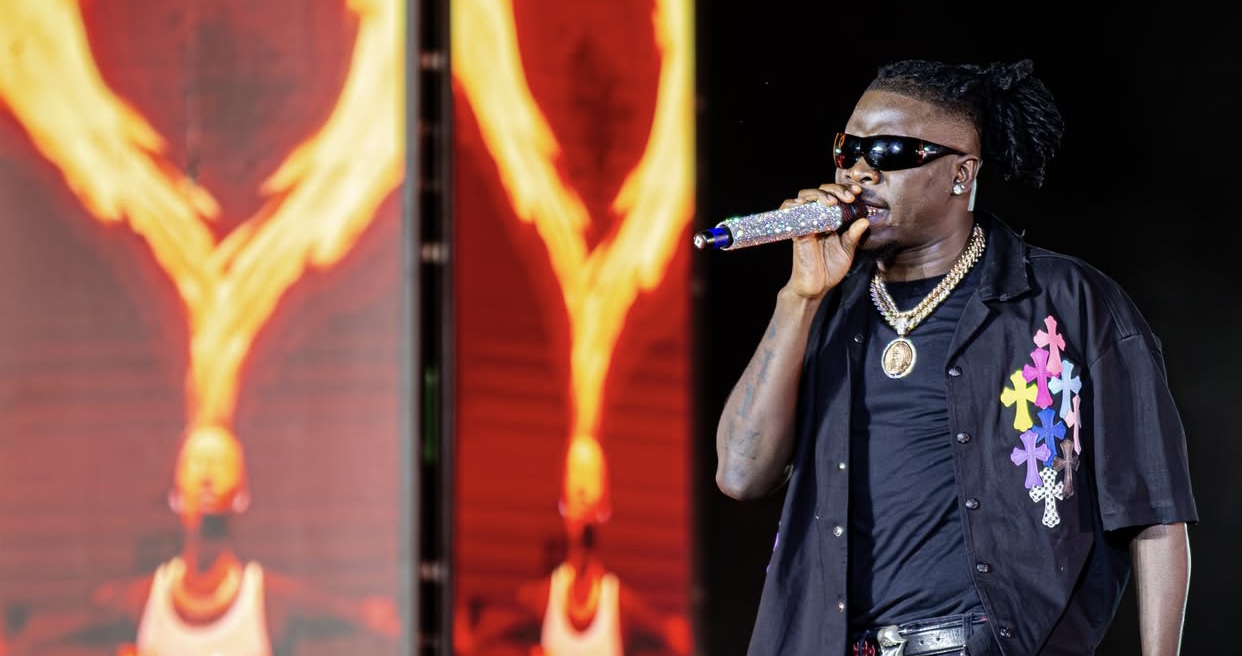
Music stars Stonebwoy and Edem also performed during the ceremony, bringing energy and entertainment to the event. However, the atmosphere inside the stadium felt underwhelming.
Large sections of seats remained empty, raising questions about publicity and public engagement.
While promotion for the championships did exist, it struggled to reach the wider public effectively.
Apart from a handful of media houses pushing coverage in the months leading up to the competition, awareness around the event remained surprisingly low for a continental championship hosted on home soil.
Strong Starts on the Track
Once competition began, the athletics itself rarely disappointed.
South Africa’s Aiden Smith opened the gold rush by winning the men’s shot put, while Rwanda’s Emeline Imanizabayo claimed the women’s 5000m title.
Cameroon’s Nora Atim Monie secured gold in the women’s discus as the sprint heats also got underway.
But almost immediately, organisational problems began to surface.
The electronic timing systems failed completely on the opening day, leaving spectators inside the stadium unable to view official times during events.
At the same time, serious complaints emerged from the Games Village, where athletes reportedly dealt with poor accommodation conditions, food shortages and inadequate facilities.
South African shot put champion Aiden Smith became the first athlete to publicly voice frustrations on behalf of competitors.
“When we got in the rooms, the beds were leather. We got sheets, we got a pillow, but no blankets,” Smith revealed.
“We don’t have an aircon remote. We asked for food, they fight with us. We’re not allowed to take more than one chicken bone. We are athletes — we need food, we need hydration.”
His comments quickly spread across social media, placing the organisers under intense scrutiny.
Day Two: Sprint Battles and Technical Setbacks
Despite the controversy, the performances on the track continued to capture attention.
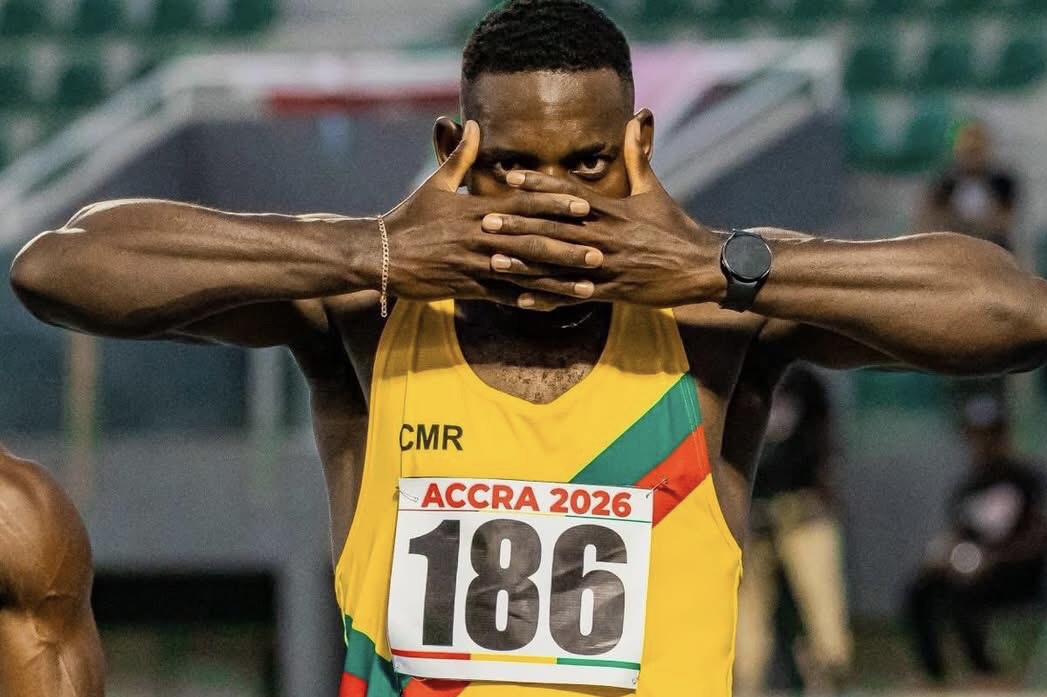
Day Two belonged largely to Cameroon and Nigeria. Emmanuel Eseme stormed to victory in the men’s 100m final while Hervérge Kole Etame claimed the women’s title. Nigerian star Tobi Amusan successfully defended her 100m hurdles crown,
South Africa’s Luvo Manyonga added another standout moment by winning the men’s long jump.
However, another technical failure disrupted one of the championship’s biggest races.
Following a tight finish in the men’s 100m final, a malfunction in the photo-finish technology forced athletes to wait on the track for more than ten minutes before the official result could be confirmed.
Day Three: Botswana’s Fominance and Ghana’s Breakthrough
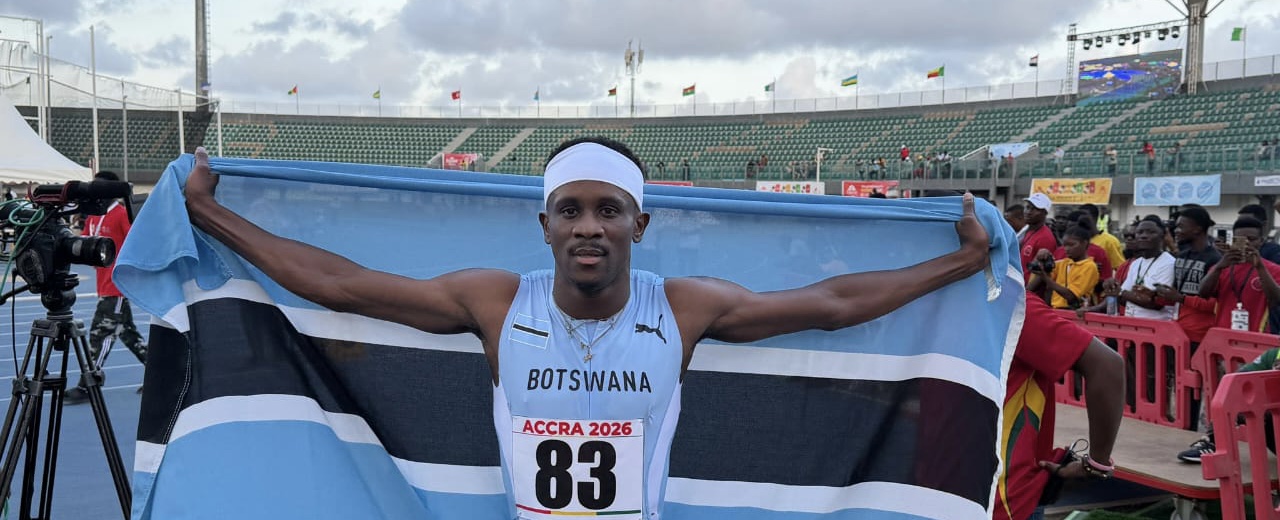
By Day Three, attention shifted toward Botswana’s dominance in the 400m events. Lee Eppie powered to gold in the men’s 400m with an impressive 44.66 seconds, while compatriot Tisang Kemorena led a Botswana one-two finish in the 400m hurdles.
Kenya’s Kelvin Kimtai Loti claimed victory in a tactical men’s 800m final, while Ghana finally celebrated its first major track medal when Alex Amankwah secured bronze in the same event.
Ghana also enjoyed podium finishes through Florence Agyemang in the women’s 400m and Esther Obenewaa in the high jump, giving the home crowd moments to celebrate despite the absence of gold.
The championships also experienced a frightening safety scare after a pole snapped mid-air during the pole vault competition. Thankfully, no major injuries were reported.
There were at least visible improvements behind the scenes as the week progressed. Timing systems stabilised, internet connectivity at the media centre was restored and food portions at the Games Village noticeably improved after widespread criticism.
Day Four: Stability and Relay Drama
By Day Four, the championships finally began operating closer to international standards.
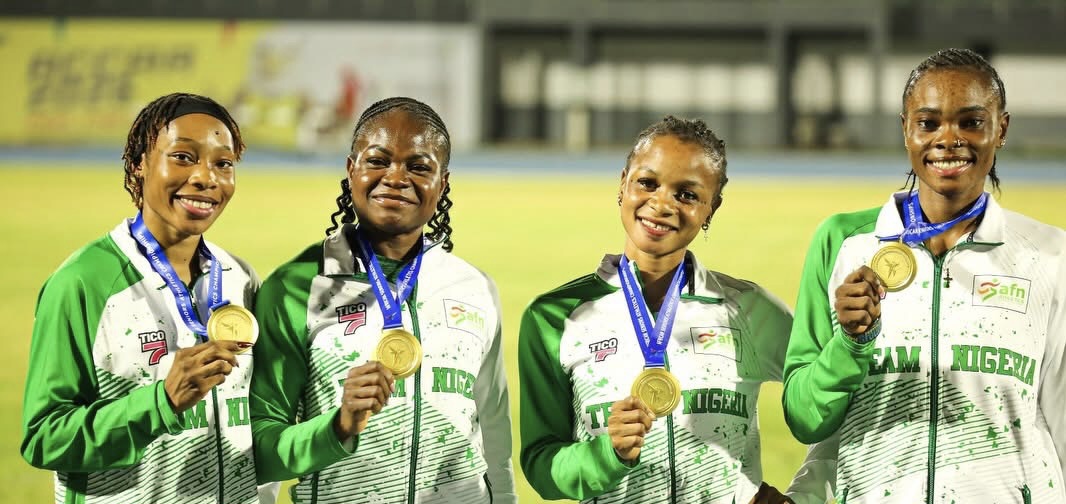
Nigeria’s women delivered one of the standout performances of the tournament by setting a championship record of 42.94 seconds in the women’s 4x100m relay. Liberia finished second while Ghana secured another bronze medal.
In the men’s relay, Ivory Coast edged Nigeria to win gold in 38.52 seconds, with Ghana again finishing on the podium in third place.
Most importantly for organisers, the events finally ran on schedule without major technical interruptions for the first time all week.
Final days: High-level Competition Continues
The final days of the championships maintained the high standard of competition.
Ivory Coast’s Cheickna Traore claimed gold in the men’s 200m, while Nigeria continued its relay dominance by winning the women’s 4x400m relay. Zimbabwe produced one of the surprises of the championships by taking gold in the men’s 4x400m relay.
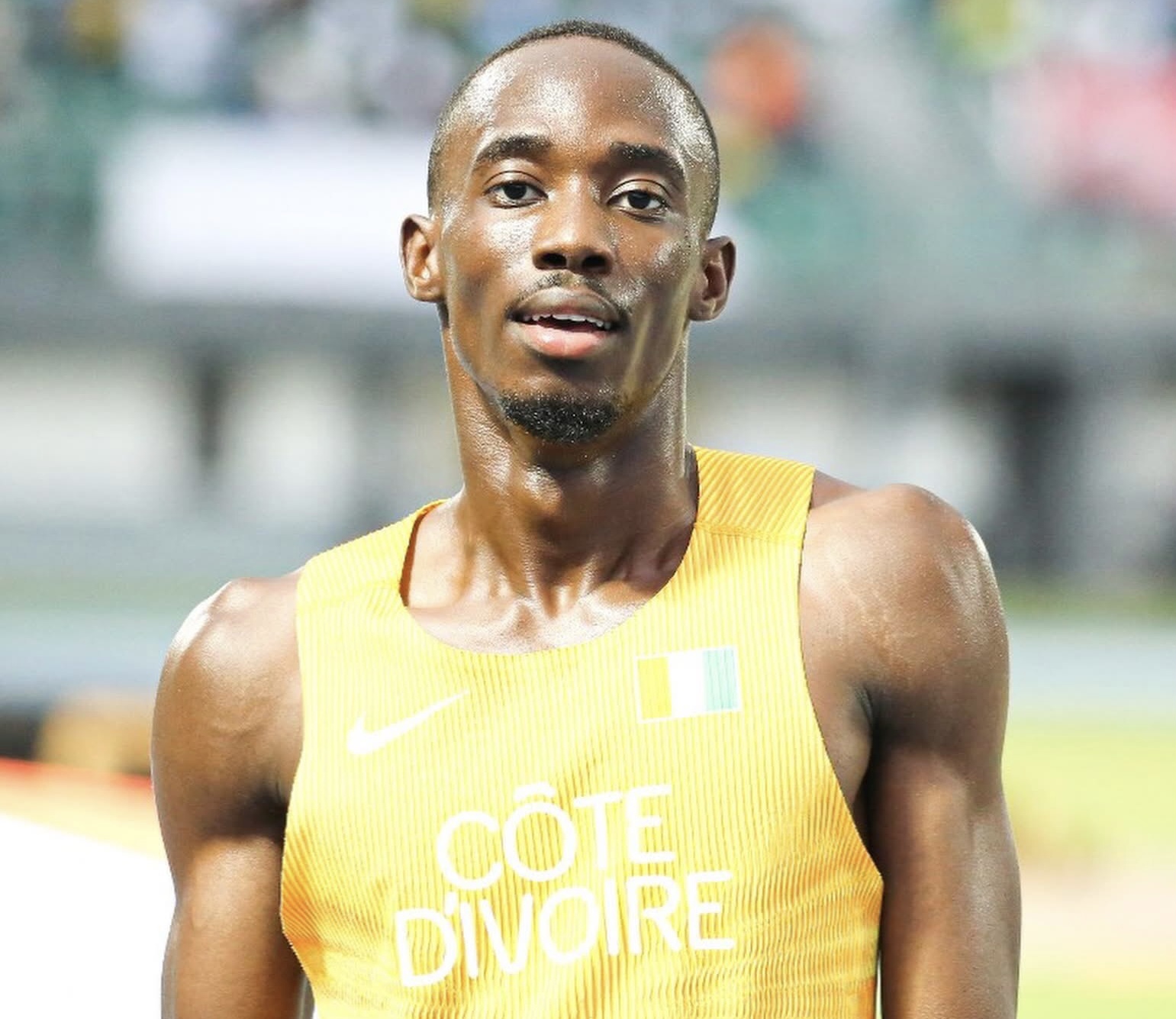
Cheickna Traore of Cote D’Ivoire emerged victorious in the men’s 200m final at the 2026 African Athletics Championships
As the championships drew to a close, Ghana finished with several podium placements but fell short of securing a gold medal on home soil.
Then came one final twist. The closing ceremony was disrupted by heavy rainfall that repeatedly delayed events, including the women’s 3000m steeplechase.
The planned celebrations and artiste performances never truly materialised as the rain returned moments before the entertainment segment could begin, effectively bringing the curtain down in chaotic fashion.
A Championship of Lessons for Ghana
Still, beyond the setbacks, controversies and unfinished celebrations, the 2026 African Senior Athletics Championships represented an important learning experience for Ghana.
The championships showcased Africa’s incredible athletic talent and proved Ghana has the infrastructure and passion to host major continental events.
Yet they also highlighted the importance of preparation, athlete welfare, technical reliability and effective promotion at the highest level of international sport.
It may not have been the perfect debut host performance Ghana envisioned, but it was a significant step — one filled with lessons that could shape the future of athletics hosting in the country for years to come.
–
Story by Samuel Annang | univers.ug.edu.gh
Edited by Erica Odeenyin Odoom