
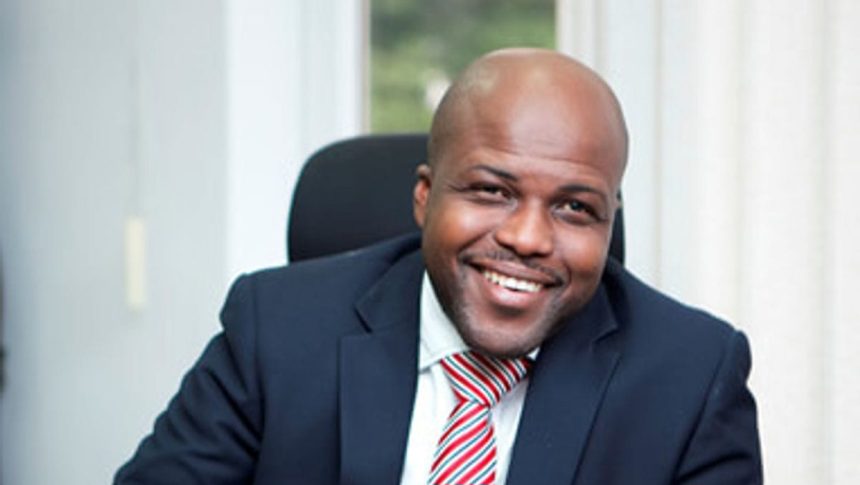
Databank Group Chief Executive Officer (CEO) and former Kotoko Express editor, Kojo Addae Mensah, has raised concerns over what he describes as a growing problem with local coaching in Ghana, following the increasing reliance on foreign tacticians in the Ghana Premier League (GPL).
His comments come as five clubs, including some of the biggest names in Ghanaian football, have turned to foreign tacticians ahead of the 2026/27 GPL season.
Hearts of Oak will be led by Serbian coach Nebojsa Kapor, while Asante Kotoko have appointed South African Eric Tinkler. Bibiani GoldStars, Heart of Lions and Vision FC have also opted for foreign coaches.
Speaking on Sports Night on Radio Univers, Mr. Addae Mensah said the growing number of foreign coaches in the domestic league should prompt serious discussions about Ghana’s ability to develop coaches capable of leading top-flight clubs.
“We are having a problem with local coaching in Ghana, and it’s something that needs to be really, really analysed and discussed because if you scan the league systems right now, Vision FC now have a foreign coach, Heart of Lions have a foreign coach, Hearts of Oak have a foreign coach, Asante Kotoko have a foreign coach, Nations FC have a foreign coach,” he said.
Mr. Addae Mensah questioned whether Ghana is still producing coaches of the quality and quantity it once did, recalling an era when the country had what he described as a “whole production line of coaches.”
“This is becoming a source of worry to me, and it should be a source of worry across the board. What does it tell us? Is it telling us that we are not being able to produce the kind of coaches that hitherto we used to have? You know, we used to have a whole production line of coaches that produced the likes of Coach Afranie,” he said.
The comments raise questions about the coaching pathway in Ghana, particularly the transition from youth and lower-division football into the Premier League.
With clubs increasingly looking outside the country for technical leadership, the situation could put further pressure on the Ghana Football Association (GFA) and other stakeholders to strengthen coach development programmes and create clearer pathways for Ghanaian coaches to reach the highest level.
–
Story by Samuel Annang|univers.ug.edu.gh
Edited by John Foh