
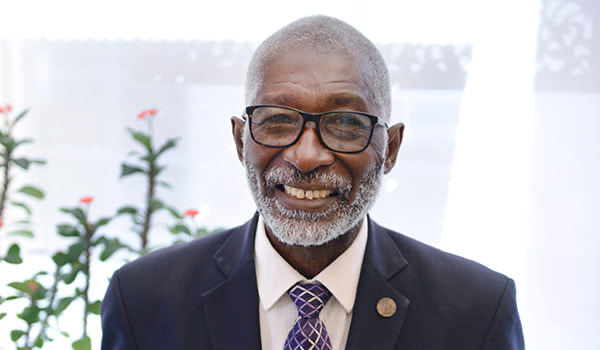
Computer scientist and globally recognised internet pioneer, Dr. Nii Narku Quaynor, has outlined the policy roadmap that first connected Ghana to the global internet in the early 1990s — a framework whose impact continues to shape the nation’s digital landscape today.
The revelation came during an inaugural lecture held in his honour by the Ghana Academy of Arts and Sciences following his election as a Fellow of the Academy.
Speaking before an audience of scientists, policymakers, and technology innovators, Dr. Quaynor recalled how deliberate collaboration between the state and civil society laid the foundation for Ghana’s integration into the global digital ecosystem.
He noted that in the early days, a strong partnership emerged between IT experts and government agencies, working together to develop policies that guided the deployment and use of computing technologies in the country.
“We didn’t stumble into connectivity,” Dr. Quaynor explained. “We built a structured collaboration to regulate the emerging sector, establish standards, and ensure Ghana could connect to the global internet infrastructure with stability and security.”
Looking ahead, however, Dr. Quaynor cautioned that the next phase of internet advancement cannot afford to be fragmented.
He proposed a three-pronged approach involving government, industry, and academia — what he described as a “triple helix” of innovation. According to him, leveraging the country’s growing pool of local technical expertise through this model would help Ghana drive sustainable home-grown innovation rather than depend solely on external solutions.
“We have immense local talent in this sector,” Dr. Quaynor said. “The opportunities emerging in the coming years around AI, cybersecurity, cloud infrastructure, and the Internet of Things demand that government, industry, and universities move together. No single sector can do it alone.”
As Ghana positions itself as a growing digital hub on the continent, Dr. Quaynor’s message was clear: honour the foundations laid in the 1990s, but build the future through coordinated, home-grown action.
—
Story by Benedicta Aboagye | univers.ug.edu.gh
Edited by Gabriel Tecco Mensah