
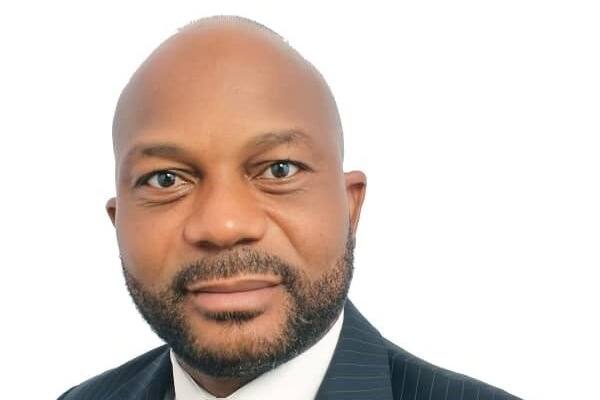
Educationist, Nii Armah Addy, has expressed reservations about the government’s proposed Transnational Education policy, warning against using educational initiatives for political gain.
The policy, announced by Education Minister Haruna Iddrisu, is expected to allow Ghanaian students to undertake portions of their academic programmes at local and foreign universities through institutional partnerships and joint-degree arrangements.
It is also aimed at expanding access to international education, strengthening academic partnerships and equipping Ghanaian students with the skills and expertise needed to support national development.
In an exclusive interview with Univers News on Thursday, 5 November 2026, Mr. Addy acknowledged the potential benefits of the initiative but stressed that educational policies must serve the country’s development needs.
“All educational policies must be towards the common good, which means that the development of the country. This is what I expect. I would not be happy if any educational attempt is for political gains,” he said.
He further argued that Ghana should first establish a national credit-transfer system that allows students to take courses at different local universities and transfer their grades to their original institutions before pursuing similar arrangements with foreign universities.
“I do not expect a transnational educational exchange or policy without the national educational policy, which allows students to take courses in different universities within the country and transfer their grades to the original university,” he said.
On the selection of beneficiaries, Nii Armah called for a merit-based approach, adding that the relevance of students’ chosen programmes to Ghana’s development agenda should also be considered.
“Students who really merit it should benefit from it. The relevance of the programme that they’re going to do that correlates to the development agenda of the country should also be considered,” he said.
He also emphasised that students who participate in the initiative should return to Ghana after completing the foreign component of their studies.
Despite his reservations, Nii Armah expressed support for initiatives that improve the quality of education in the country, describing education as a critical tool for national development.
“Education is the most potent weapon to develop a country and, by large, to develop the world. So any good endeavours that advance or bring quality into our educational system, I support them wholeheartedly,” he said.
–
Story by Holy Mavo | univers.ug.edu.gh
Edited by Vanessa Katrin Ohene