

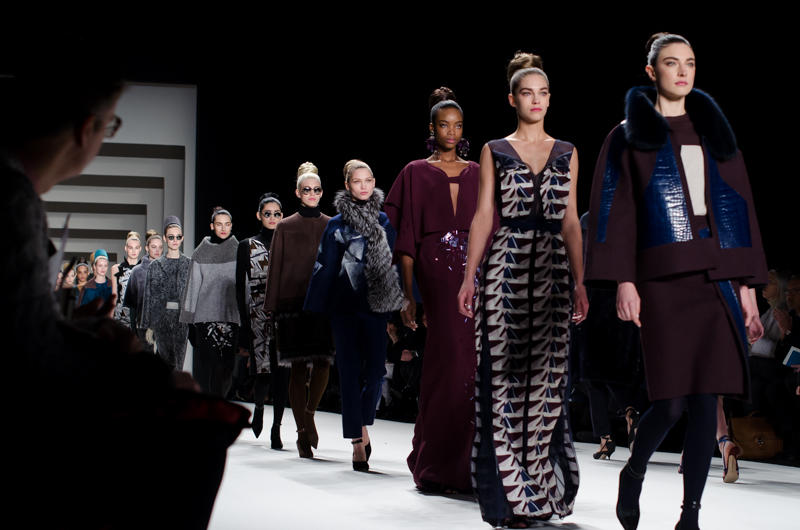
Fashion, visual identity and music are important but often underutilised tools in university elections.
Winning a university election depends on many things, from going to students’ rooms to tell them your policies, getting endorsements from celebrities (if you aren’t one yourself), sharing exercise books and pens, and many more. But one thing that often gets pushed to the background is the importance of branding, fashion and music.
Let’s take the Kwame Nkrumah University of Science and Technology (KNUST) as an example. At the school, political aspirants hardly change their overall appearance. From the tip of their hair to the soles of their shoes, they develop a distinctive style that remains recognisable throughout the campaign. If Candidate A has Bantu knots with a green top at the beginning of their campaign, it remains part of their visual identity until the election is over.
From my conversations with friends at KNUST, this strategy appears to work. The student community may not remember your name, but they would remember the lady with the braids or the gentleman with the green African print.
This is one of the things that makes KNUST elections stand out. They understand the power of branding and its influence on the student body.
Consistency in how aspirants present themselves is important. As much as other aspects of campaigning matter, finding the right look can affect how people perceive a candidate.
We are often advised not to judge a book by its cover, but as human beings, we do form impressions based on appearance. Psychology gives us one explanation for this through the halo effect, a concept associated with Edward Thorndike’s 1920 research. The effect describes how a positive impression of one quality, such as attractiveness or appearance, can influence our perception of other qualities.
How you look and how you brand yourself can therefore affect how the public views you. Candidates need to be consistent in their branding if they want to create an identity that voters can easily recognise and remember.
Music as branding
Another important factor in elections is music. In Ghana, music has long been an important part of political mobilisation. The two main political parties, the NPP and NDC, have utilised it effectively. Growing up, I became familiar with these parties through their iconic campaign songs.
KNUST appears to understand this as well. Having a song or chant can go a long way towards making students recognise and remember a candidate.
Gen Z is a generation that has grown up surrounded by music and highly visual content. To connect with this demographic, music can be an important tool. Our social media feeds are filled with people dancing, singing and using music to communicate ideas. Brands have also recognised the impact of music.
Take the recent Cowbell and Zonda Tech beef, for example. Alongside the feud, the brands have been harnessing the power of music and TikTok to generate attention and promote themselves. When I hear Sarkodie featuring DopeNation’s “E No Be Easy”, I immediately think of these two brands. That is the power of music.
University elections can benefit from the same principle. A memorable song, chant or sound can become associated with a candidate and make them easier to recognise, even when their name is forgotten.
Last year, during the 2025 University of Ghana elections, my hope grew that our candidates were beginning to understand the impact of music in their campaigns. But this year’s election has left me disappointed. I hardly come across this, and the election has become a snooze fest. Dear UG aspirants, you can do better.
As a student and someone with a voter ID, I would advise student politicians to harness the power of branding. You may not immediately see its importance, but a consistent visual identity and a memorable sound can go a long way in making a candidate recognisable and memorable.
Story by Anita Azawodie|univers.ug.edu.gh