
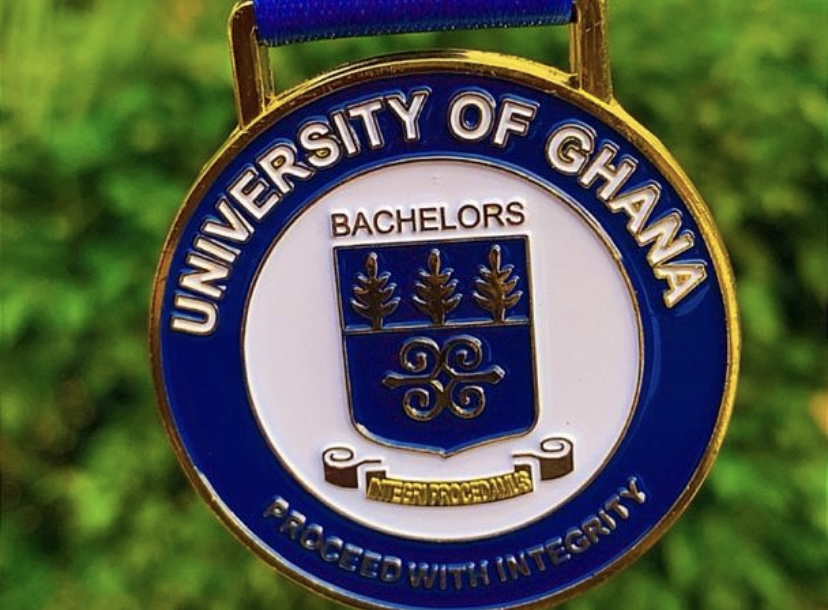
For many final-year students, obtaining a first degree marks a major milestone in their academic journey, bringing to an end years of sacrifices, late-night study sessions, countless examinations, financial struggles, accommodation challenges, and the infamous 1-0-1 and 0-0-1 hunger strikes they have had to endure.
Despite the excitement of nearing the finish line, one pertinent question looms in the minds of many final-year students: What comes next after the first degree?
For most final-year students, securing employment immediately after the mandatory National Service remains a top priority.
“I want to get a decent job right after school. I just want a simple job with a good salary,” one student said when asked about their plans after obtaining a first degree.
“I’m not certain about where I’ll be working, but I know that right after school, it will be work,” another student said.
Meanwhile, not all final-year students are optimistic about finding opportunities in Ghana after graduation.
“I’m planning to ‘jakpa’ after school because there’s nothing better for us in this country. There are no jobs, and even when you get one, the salary is not enough. I believe I’ll have a better chance of building my life outside Ghana,” another student said.
Beyond entering the job market, graduation does not mark the end of the academic journey for some final-year students.
“After my National Service, I’ll work for a year or two to save some money and then pursue a master’s degree,” one student said.
Although many students are confident in their goals, Ghana’s high unemployment rate and economic challenges continue to create uncertainty about what the future holds for them.
In my opinion, a university degree should be viewed as a foundation for achieving greater heights rather than as a guarantee of success.
In today’s highly competitive Ghanaian job market, employers are not only seeking graduates with first degrees but also individuals who possess practical competencies such as effective communication, problem-solving, and critical-thinking skills.
This raises an important question: if a degree alone were enough to secure employment, would graduate unemployment still be such a pressing issue? The answer is no.
In addition, strategic networking is often an underestimated aspect of university life.
Some students focus so heavily on their academics that they overlook the importance of building meaningful relationships on campus. Yet, these connections can significantly influence their professional journey.
Sometimes, the person who once sat beside you in a lecture hall or library may become the connection that opens a career-defining opportunity years later.
In today’s fast-changing world, where technology continues to evolve, continuous learning and internship opportunities are no longer optional. They are essential for acquiring new knowledge, gaining practical experience, and remaining competitive in an ever-changing job market.
Ultimately, earning a first degree may open doors, but practical skills, strategic networking, continuous learning, and adaptability are what sustain long-term success.
—
Story by Wilhemina Nii-Moi | univers.ug.edu.gh
Edited by Gabriel Tecco Mensah