
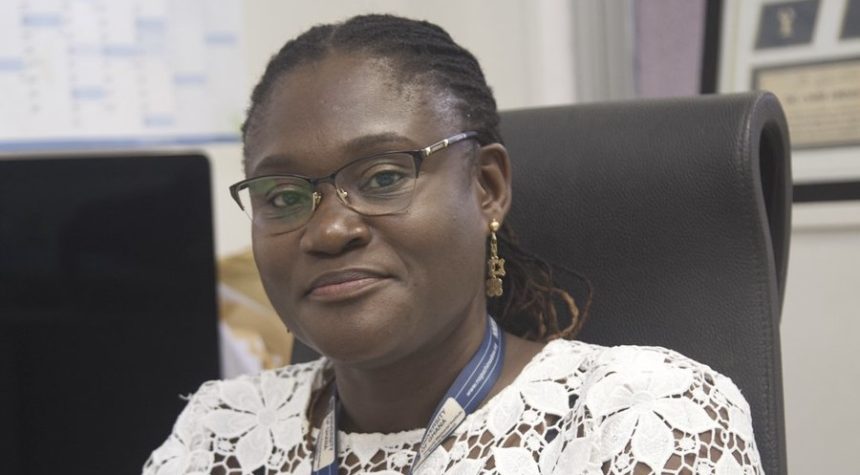
Associate Professor of Immunology at the Noguchi Memorial Institute for Medical Research, Linda Eva Amoah, says malaria is not on the rise in Ghana, despite its continued presence in some communities.
She explained that the country is making steady progress toward eliminating the disease, but sustained public education and collective action remain crucial.
Prof. Amoah spoke to the media when the Institute visited Saint Alban’s International School to educate students on how to identify, prevent, and eliminate malaria as part of activities marking World Malaria Day.
“Actually, malaria is not on the rise. However, we are moving towards elimination. Moving towards elimination means that everybody has a role to play,” she said.
A major focus of the outreach was the role of children in spreading awareness within their homes and communities.
According to Prof. Amoah, educating young people is a strategic approach because they easily understand and share information.
“It’s very important that we educate the young ones because they easily grasp things. You teach a child something, and they go home and are able to tell their parents and friends what they’ve learned, and they also put it into practice,” she explained.
She added that the exercise went beyond classroom teaching, equipping students with practical knowledge they can apply and share.
“We didn’t just come to give them theory; we actually came to teach them practical aspects of malaria prevention, how to get tested for malaria, and how to read the test results themselves,” she said.
The session also aimed at correcting common misconceptions about malaria while promoting responsible health practices.
“Not every mosquito bite causes malaria, and not every fever is due to malaria… Once they test positive, they should take their medication and complete the full course, even if they feel better after a day or two,” she advised.
Prof. Amoah stressed that increased awareness can significantly reduce malaria incidence, noting that the disease is preventable, treatable, and curable.
“We are still going around creating awareness that malaria is treatable, curable, and preventable, and that we can all help to end malaria,” she said.
She further highlighted the role of partnerships in advancing malaria research and shaping national policies.
“Noguchi has a lot of global collaborations… Most of our funding for malaria research comes through external partnerships. The information we generate is shared with national programmes to help refine policies,” she added.
With a series of community engagements, school outreaches, and public awareness campaigns underway, the Institute is calling on all Ghanaians to take responsibility in the fight against malaria.
“Malaria is not a disease that should still cause deaths because there is effective treatment… We should make use of the tools we have to help achieve the goal of eliminating malaria,” she concluded.
—
Story by Wonder Mansah Agbengu | univers.ug.edu.gh
Edited by Gabriel Tecco Mensah