

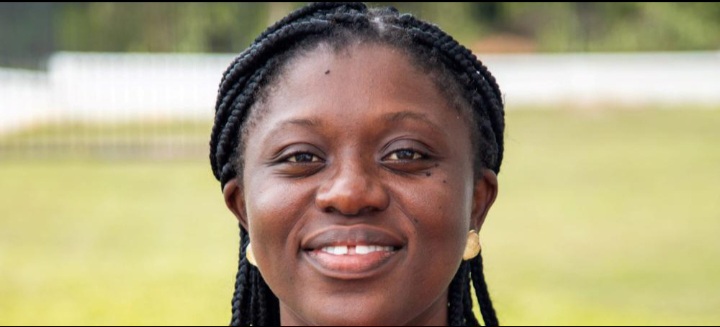
An Educationist at the Legon Centre for Educational Research and Policy, Dr. Freda Osei Sefa has described the government’s plan to eliminate the Double-Track system in senior high schools as a commendable initiative.
Her comments follow the announcement by Finance Minister Dr. Cassiel Ato Forson during the presentation of the 2026 Budget, outlining the phase-out beginning in 2026 with full implementation by 2027. The move aims to restore full-time attendance for all students.
Speaking to Univers News, Dr . Sefa praised the intention to expand education, emphasizing that phase-out is a positive idea based on two key benefits: reducing parental burden and ensuring students receive quality contact time with their teachers.
“It’s a good idea based on two things: first being the burden and confusion of the ‘green and gold’ tracks for parents. Also, the number of times the teachers teach the students will be calculable, allowing us to be sure the students are getting quality,” she stated.
Despite her endorsement, Dr. Sefa stressed that the government must carefully address the financial implications to guarantee the project’s success, cautioning against overlooking the heavy cost.
“However, there is a need for the cost implication to be looked at. It cannot be overlooked because there’s going to be the need for the push of more financing or finances into that particular sector,” she affirmed, calling for adequate resource provision to support the expanded single-track system.
She also highlighted a second positive measure in the Budget: the directive requiring basic and secondary schools to source food for students using locally produced products. She noted this is a strategic move that aligns with the original intent of the free senior high school feeding programme.
“Being fed with locally produced products is also a very positive and a good idea. That is the main intention of that policy. If we are going back to the drawing board, it’s a very good thing because it’s going to boost the economy,” she concluded.
_
Story by Ruth Besang and Kelvin Owusu Andam| univers.ug.edu.gh
Edited by Deborah Owusu